


Life in Israel is oddly normal considering we could be on the verge of one of the largest wars in recent history, with Israel squarely in the line of fire.

Photo: A normal night in Tel Aviv. “2016.07.09 Tel Aviv People and Places 06925” by Ted Eytan, CC BY-SA 2.0
This “odd normalcy” is a typical Israel quality – it has to be in order for life to go on at all. Yet in the back of our minds, we’re all doing “war math,” because it affects everything from travel plans to school closings, when to do the extra shopping (should stores end up closing), and when to prep the bomb shelters.
In another Israeli oddity, many are concerned about being trapped abroad should hostilities break out. Read that again: trapped abroad. Israelis are the only people I know who worry they might end up not in a war zone. It’s a touching (if slightly insane) kind of commitment to our country, our families and our homes.
So when will the United States strike Iran?

Photo: President Trump and the national security team meet in the White House Situation Room, via The White House.
The short answer: nobody knows.
The longer answer: there are a number of clues that all point to the same date.
-
Trump’s stated deadline. On February 19, U.S. President Donald Trump gave Iran a deadline of “ten to fifteen days” to conclude negotiations. This would come to either March 1 (10 days) or March 6 (15 days).
-
The aircraft carrier. The world’s largest and most modern aircraft carrier, the U.S.S. Gerald R. Ford, is currently en route to the Iranian theater. The carrier is currently undergoing resupply at the U.S. Naval Support Activity (NSA) Souda Bay on the Greek island of Crete, and is scheduled to stop at Israel’s Haifa Port for additional resupply. The final step would be to transit the Suez Canal toward the Arabian Sea and the Persian Gulf. Assuming the Ford follows its stated route and schedule, it will arrive “in theater” on March 6.
-
The IAEA meeting. The International Atomic Energy Agency, the U.N. body responsible for nuclear inspections, is scheduled to hold its quarterly “Board of Governors” meeting from March 2 through March 6, and is widely expected to make an official statement on Iran at that time. At its June meeting, the IAEA officially found Iran in violation of the Nuclear Non-Proliferation Treaty (NPT). The finding was released on June 12, the second to last day of the four day meeting. Hours later, early on June 13, Israel began מבצע עם כלביא, Operation “Rising Lion” against Iran’s nuclear program. The equivalent timing in this case would put the beginning of an operation on March 6.
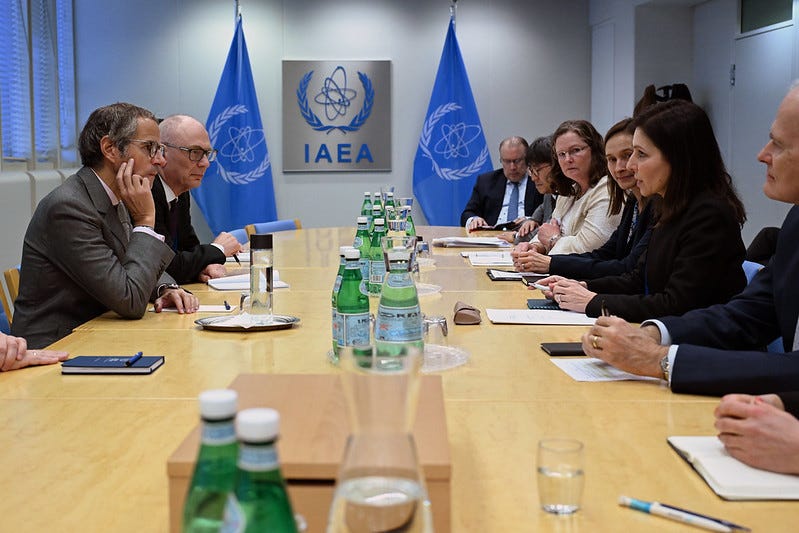
Photo: An IAEA Meeting with G7 and EU Head of Mission (01913499) by IAEA Imagebank, CC BY 2.0
You’ll notice that in our analysis we ignore the talk. Most “leaks” in the news are coming from anonymous sources, which are notoriously unreliable. Last June’s Operation Midnight Hammer (against Iran’s nuclear facilities) was preceded by similar “leaks,” almost all of which turned out to be incorrect (perhaps intentionally so). Instead, we focus on the action, the military positioning, and official policy movements.
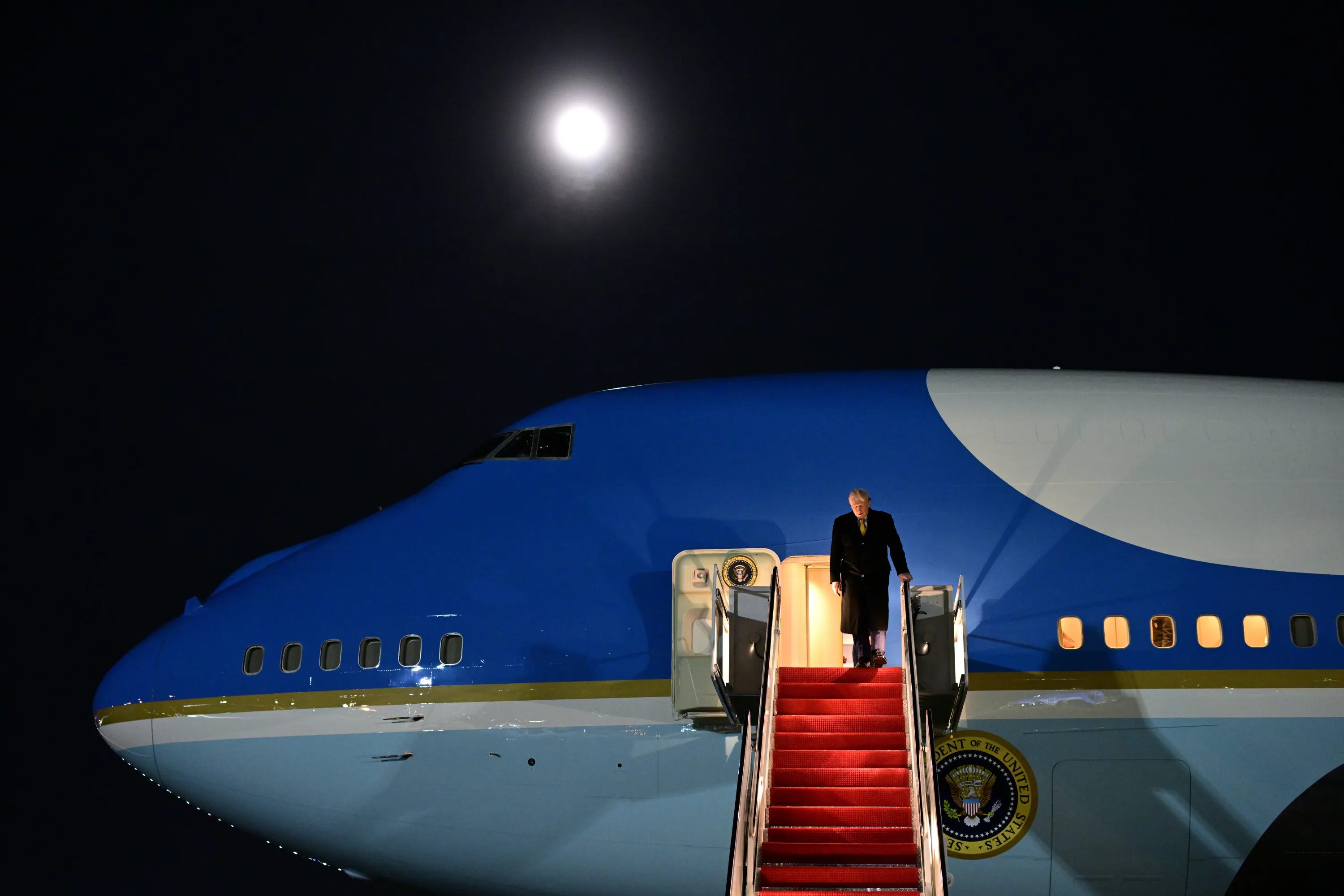
Photo: President Trump exiting Air Force One, via The White House.
Of course, none of this is certain.
An operation could commence earlier to create an element of surprise, later due to political or military considerations, or possibly not at all. Yet Israelis continue to do our “war math” anyway, all while living our “oddly normal” lives.